 52 Weeks of Fun
Coquille River Light
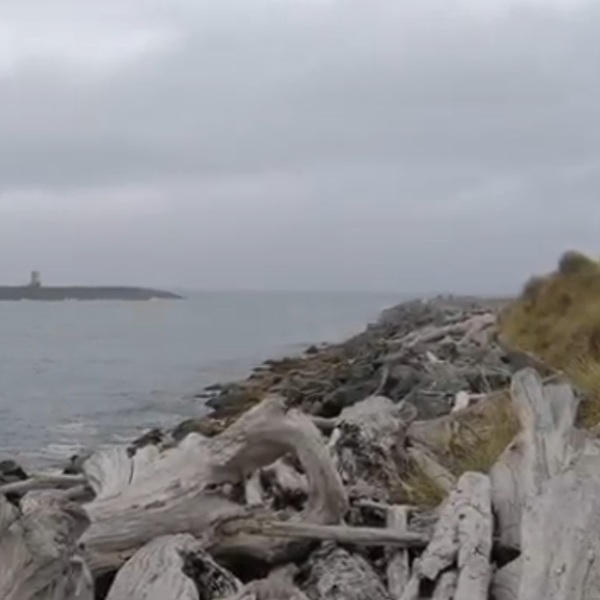
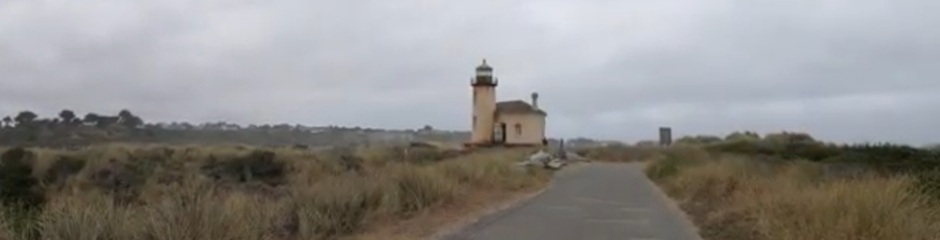
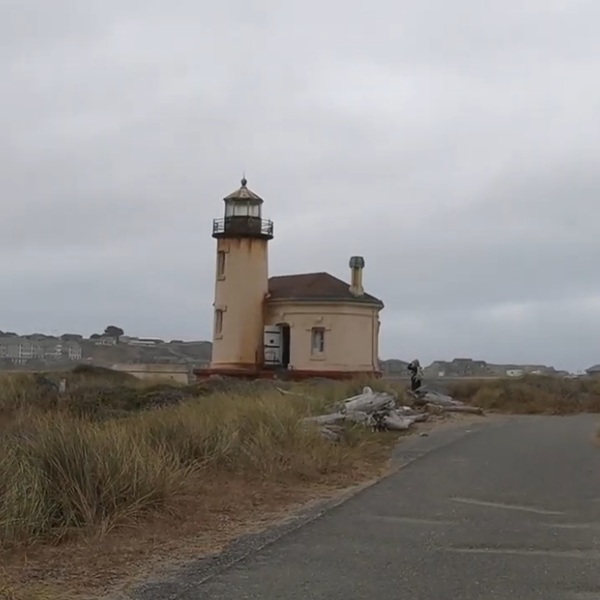
Just north of Bandon, Oregon, the Coquille River Light stands as a historic sentinel at the dangerous junction where the Coquille River empties into the Pacific Ocean. Built directly on a rocky outcrop along the river’s northern bank, the lighthouse was positioned to guide mariners through a treacherous, constantly shifting bar that had claimed numerous wooden schooners and timber freighters during the 19th century. Today, surrounded by rolling coastal dunes, sandy beaches, and river estuaries, it serves as one of the most accessible and picturesque historical landmarks along the southern Oregon Coast.
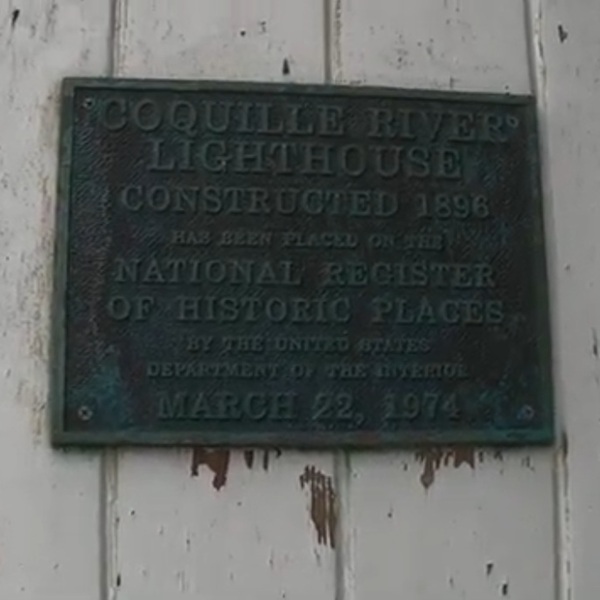
First illuminated on February 29, 1896, the Coquille River Light played a vital role in supporting the region’s booming timber, coal, and shipping industries for over three decades. Designed by the United States Lighthouse Board, the station originally consisted of a light tower, an attached fog signal building, oil houses, and detached keepers' quarters. The lighthouse remained in continuous service until 1939, when advancements in automated navigational aids and the construction of long jetties by the U.S. Army Corps of Engineers made the physical light station obsolete. Following its decommissioning, the structure fell into disrepair for decades until Oregon State Parks assumed control, restoring the historic site and opening it to the public in 1979.
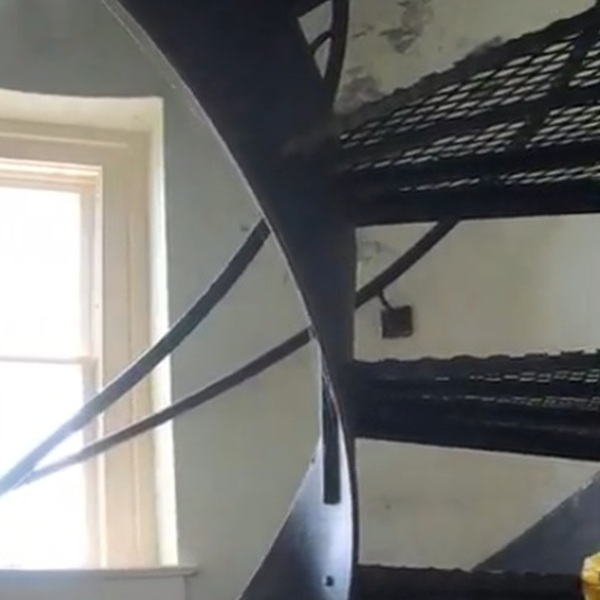
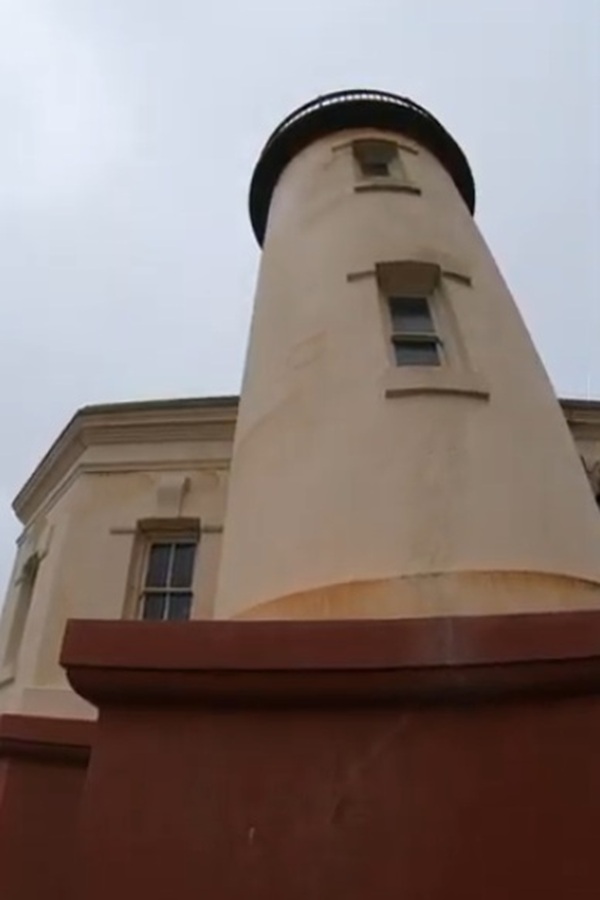
Architecturally, the Coquille River Light features a distinct design that sets it apart from other Oregon lighthouses. Built with a sturdy brick exterior covered in white stucco, the structure incorporates an asymmetrical layout, combining a forty-foot conical light tower with an elongated, octagonal fog trumpet room. At the top of the tower sits a cast-iron lantern room that originally housed a fourth-order Fresnel lens crafted in Paris, France.
The lens produced a characteristic fixed white light varied by a double flash every twenty seconds, powered by a hand-wound clockwork mechanism that required keepers to manually wind weights every few hours throughout the night.
The history of the Coquille River Light is shaped by several unique and dramatic events. During the catastrophic Bandon wildfire of September 1936, which destroyed nearly the entire town across the river, residents fled to the safety of the ocean beaches, and lighthouse keepers provided refuge at the station as smoke and embers filled the sky.
Another unique aspect of its history occurred on Leap Day in 1896, making the light’s official anniversary date a rare quadrennial occurrence. Additionally, despite its retirement in 1939, a solar-powered light was reinstalled in the lantern room in 1991 as a decorative navigational aid, once again illuminating the mouth of the river each evening.
 52 Weeks of Fun
 52 Weeks of Fun
Fun Facts
Coquille River Light was the last government light constructed in Oregon, giving it an especially important place in the state's lighthouse history.
Attraction Advice
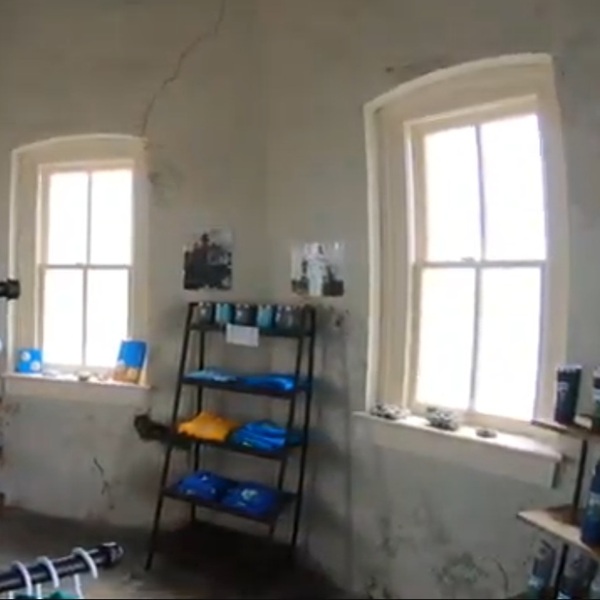
The interior of the Coquille River Light is open daily from 11 a.m. to 5 p.m., mid-May through September. It closes for the season from October 1 until the second week of May. There is no admission charge, but donations and gift store sales help support its preservation efforts.
Coming Events
No upcoming events scheduled.
Information
-
Sponsored by:
Bandon Chamber of Commerce -
56487 Bullards Beach Rd
Bandon, OR 97411 - (541) 347-2209
-
Amenities:
- Not Accessible
- Not Pet Friendly
- Kid Friendly